183 - Connection Is the Cure for a Divided World with Matthias Biehl



In this episode of The Inclusive Dad podcast, host AAron sits down with inclusion advocate Matthias Biehl to explore how access, empathy, and meaningful conversations can help bridge the growing divides in our world. Matthias shares his journey from leading Employee Resource Groups to launching a platform designed to connect strangers through intentional dialogue. Together, they unpack the idea that true inclusion isn’t about being invited to the table — it’s about building environments where everyone can reach it independently. From social media polarization to everyday empathy, this conversation challenges listeners to rethink disability, belonging, and how simple human connection can move us toward a more inclusive future.
Key Takeaways:
Access Matters - Inclusion begins when environments are designed so everyone can participate without needing special accommodations.
Empathy First - Real inclusion grows through conversations that deepen understanding of people’s lived experiences.
Conversation Gap - Social media echo chambers are weakening our ability to talk with people we disagree with.
Broad Disability - Expanding how we define disability may accelerate accessibility and inclusion progress.
Connection Builds - Intentional one-on-one dialogue can humanize differences and reduce societal polarization.
Matthias Biehl’s definition of inclusion:
Inclusion is creating an environment in which each and every one of us can get to the table ourselves without needing extra offerings, paths or support systems.
Matthias Biehl’s Bio:
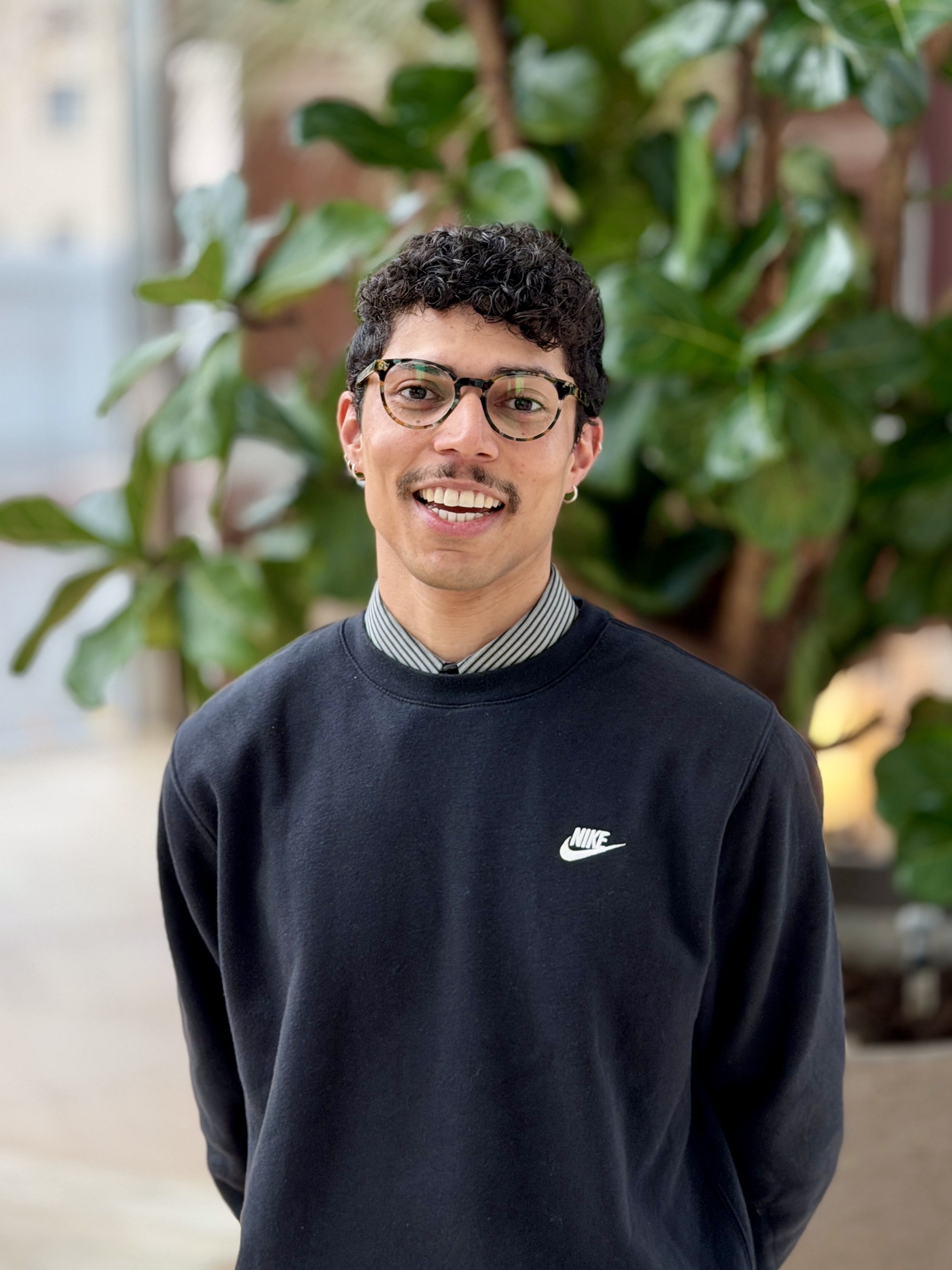
Matthias has spent over eight years designing and driving inclusion and diversity initiatives, with a focus on fostering psychologically safe, empathetic, and sustainable working cultures. His work draws on both academic frameworks and lived experience to examine how bias, belonging, and power dynamics shape interpersonal and organizational relationships. In addition to this practice-based work, Matthias is a solo founder exploring how technology can support meaningful connection beyond social and professional echo chambers. He regularly speaks about empathy as a critical leadership and societal capability rather than a soft skill. His work aims to contribute to more reflective, dialog-oriented approaches to collaboration, leadership, and community building.
Connect with Matthias Biehl:
Website: https://pool-match.com/
LinkedIn: https://www.linkedin.com/in/matthiasbiehl/
Substack: https://designingconnection.substack.com/
SPAM© Count:
Host:
Yes
Current Guest:
No
Cumulative Guest Stats:
Yes - 82
No - 99
☕ Buy me a Coffee: https://buymeacoffee.com/theinclusivedad
Subscribe to Podcast Newsletter: https://www.theinclusivedad.com/podcastupdates
Want to be a guest on Inclusion and Advocacy from a Parent's Perspective: The Inclusive Dad? Send Aaron DeVries a message on PodMatch, here: https://www.podmatch.com/hostdetailpreview/theinclusivedad
DEI Leader and Founder
Matthias has spent over eight years designing and driving inclusion and diversity initiatives, with a focus on fostering psychologically safe, empathetic, and sustainable working cultures. His work draws on both academic frameworks and lived experience to examine how bias, belonging, and power dynamics shape interpersonal and organizational relationships. In addition to this practice-based work, Matthias is a solo founder exploring how technology can support meaningful connection beyond social and professional echo chambers. He regularly speaks about empathy as a critical leadership and societal capability rather than a soft skill. His work aims to contribute to more reflective, dialog-oriented approaches to collaboration, leadership, and community building.



